

We are pleased to invite you to the 4th INTEGRATED PLANT AND ALGAL PHENOMICS MEETING (IPAP),which will take place in Brno, Czech Republic from June 25 to 28 2026.
After a long break, the Integrated Plant and Algal Phenomics Meeting returns with IPAP 2026. The conference will be held in Brno and will bring together researchers, innovators, and industry partners from around the world to discuss current developments and future directions in plant and algal phenotyping.
This year’s program will highlight the growing role of artificial intelligence in managing and interpreting the vast data streams generated by advanced hardware technologies. It will also explore the latest directions in algal phenomics, advances in climate-controlled environments for sustainable production, and progress in field and root phenotyping. Special attention will be given to plant adaptation under biotic and abiotic stress, offering a truly integrative view across scales and approaches.
Beyond these themes, IPAP 2026 remains open to new directions. We welcome partners and contributors to help shape the program and broaden the discussion toward emerging ideas in plant and algal phenotyping.
Why attend?
IPAP 2026 offers a unique platform to engage with leading experts, discover the newest technologies, and exchange knowledge across academia and industry. The program will combine keynote lectures, focused thematic sessions, workshops, and poster presentations, creating space for both in-depth discussion and informal exchange.
We are especially pleased to have the early support and confirmed participation of Prof. Thomas Altmann (Leibniz Institute of Plant Genetics and Crop Plant Research (IPK) Gatersleben, Germany), Prof. Sónia Negrão (University College Dublin, Ireland), Prof. Mathew Lewsey (La Trobe University, Australia), Prof. Yagut Allahverdiyeva-Rinne (University of Turku, Finland), Prof. James Whelan (Zhejiang University, China).
The meeting is organized by Photon Systems Instruments (PSI) in close partnership with the International Plant Phenotyping Network (IPPN) and Scientific Instruments Australia (SIA).
All academic and industry researchers who wish to learn more about the latest techniques
and approaches for high throughput phenotyping are encouraged to attend.
KEYNOTE SPEAKERS:

TOPICS COVERED IN THE MEETING WILL INCLUDE:
- Advances in sensor technologies for plant and algae phenotyping
- Artificial intelligence and computer vision in phenotyping
- Phenotyping technologies for sustainable agriculture
- Phenomics in dynamic and controlled environments
- Novel approaches in phenotyping for climate resilient crops
- Robotics and algae phenotyping
IPAP participants will have option to visit PSI Research Center, the state-of-the-art plant and algae phenotyping research and development center located next to the PSI main production side. IPAP offers option to attend focused workshops (topics to be announced soon).
IMPORTANT DATES:
- Preliminary early-bird registration via email: from October 2025
- Start of online registration: as of January 2026
- 30th April 2026: Early bird registration closes
- 25th May 2026: Deadline for submission of abstract
- 25th - 28th June 2026: Conference dates
Video about Brno Region
KEYNOTE SPEAKERS

Head of the Molecular Genetics Department, Leibniz Institute of Plant Genetics and Crop Plant Research (IPK), OT Gatersleben, Seeland, Germany
Prof. Thomas Altmann is a globally recognised leader in plant genetics and functional genomics and serves as Head of the Molecular Genetics Department at IPK. His pioneering research has fundamentally advanced our understanding of gene function, natural variation, and trait architecture in crop plants. Prof. Altmann has played a decisive role in linking molecular genetics with large-scale phenotyping and translational breeding, strengthening Europe’s crop research infrastructure. A long-standing scientific advisor at national and EU levels, he is widely respected for shaping strategic directions in plant science, innovation policy, and sustainable agriculture.
Keynote title: "Plants – Dynamic Genetic Systems in Dynamic Environments: Assessment of (growth) Performance through automated non-invasive Phenotyping "
Whole plant phenotyping integrated with genotyping and molecular profiling is used to uncover determining factors and mechanisms of plant (growth) performance. It relies on high-throughput platforms for automated cultivation, transport, and imaging of plants in environmentally controlled facilities equipped with multiple camera and illumination systems and a broad range of environmental sensors.
Non-invasive imaging-based assessment of shoot growth progression over time in maize, Arabidopsis, and rapeseed revealed strong temporal dynamics of the action of QTL detected through genome-wide association studies (GWAS). Integration of image-based assessment of growth related traits with transcript and metabolite profiling enabled the detection of prime candidate genes affecting vegetative growth in rapeseed. Furthermore, physiological traits assessed by kinetic chlorophyll fluorescence imaging (kChFI) also revealed temporal QTL expression dynamics and indicate links between photosystem II (PSII) efficiency and plant growth in maize. Expansion of the platforms to disturbance-free assessment of root growth and development enable simultaneous integrative analyses of root and shoot traits. Analysis of 72 distinct genotypes (lines) of 17 plant species revealed wide inter- and intra-specific diversity of root trait expression including large temporal dynamics. Very strong influence of environmental conditions on the genetic factors (QTL) relevant for the expression of performance-related phenotypes was observed, when vegetative growth was monitored in an Arabidopsis GWAS panel cultivated under constant or fluctuating light intensities, respectively. QTL detected for growth-, coloration-, and photosynthesis-related traits were predominantly light regime (condition) specific and displayed distinct temporal activity patterns. Condition- and phase-specificity of QTL was also observed in Mediterranean maize lines exposed to combined head and drought stress. These observations emphasize the need for detailed experimental analyses under well-defined field-like environmental conditions to effectively unravel the complexity of gene x environment interactions that determine the expression of important plant traits: In open fields, plants are exposed to ever-changing dynamic environmental conditions and they need to constantly adjust to these changes and optimize the use of available resources in order to sustain high and stable yields. Reproducible assessment of crop plant performance in simulated field-like environments is enabled in the unique Container/PhenoCrane-System of the IPK PhenoSphere. This was as shown through the assessment of growth and development of 11 diverse maize inbred lines in an emulated single season and in a simulation of an averaged season (across several years) in comparison to cultivation in four years of field trials and in a standard glasshouse. The use of this facility for detailed analyses of performance-related trait expression in plants stands exposed to weather conditions of current and anticipated future climate scenarios and elucidation of causal biological mechanisms will be outlined with examples of recent/ongoing projects.

School of Biology and Environmental Science, University College Dublin, Ireland
Prof. Sonia Negrão is an internationally recognised plant geneticist at University College Dublin, specialising in natural variation, local adaptation, and stress resilience in crop plants. Her research integrates population genomics, quantitative genetics, and phenotyping to understand how plants adapt to challenging environments, particularly salinity and climate-related stresses. Prof. Negrão’s work bridges evolutionary biology with applied crop improvement, contributing critical insights for developing resilient and sustainable agricultural systems. She is widely respected for advancing genotype–environment interaction research and for her leadership in modern plant evolutionary genetics.
Keynote title: "The Road to Precision: Spectral Imaging for Abiotic Stress Responses—Are We There Yet?"
Abstract: This presentation explores the genetic potential of heritage barley (landraces and formerly bred cultivars) to cope with abiotic stress. We examine the potential of different imaging methods in controlled conditions (root and shoot) as well as in field trials. We developed a deep learning pipeline to segment hyperspectral images and used machine learning to classify feature importance. Neural networks were found to predict tolerance values and rank genotypes in field conditions. Several vegetation indices enabled stress prediction according to the experiment timeline (early, late stress and recovery). GWAS was conducted and a new longitudinal visualisation tool - 3DQTL-Vis- was developed to discover new genetic regions associated with waterlogging.

College of Life Sciences, Zhejiang University, China
Prof. James Whelan is an internationally acclaimed plant molecular biologist at the College of Life Sciences, Zhejiang University and a leading authority on mitochondrial biology, stress signalling, and gene regulation in plants. His work has revealed how plants integrate metabolic and environmental signals to optimise growth and resilience. With an exceptional publication record and decades of research leadership across Australia, Europe, and Asia, Prof. Whelan has profoundly influenced modern plant systems biology. He is also a highly regarded mentor, shaping the next generation of interdisciplinary plant scientists worldwide.
Keynote title: "Plant Phenomics for Discovery"
Abstract: A variety of ‘omic’ technologies are widely used in discovery based science investigations, essentially uncovering the “unknown unknowns”. We established a plant phenotyping pipeline to incorporate with our other ‘omic’ platforms, to complement them and to generate hypothesis for further testing. Here we will outline the establishment of this platform, how we are developing it for quantitative 2D and 3D imaging of plants. Finally, we will show how it is raising question and how we can apply it for practical use in functional genomics.

La Trobe Institute of Sustainable Agriculture and Food, La Trobe University, Australia
Prof. Mathew Lewsey is a leading plant systems biologist at the La Trobe Institute of Sustainable Agriculture and Food. His research integrates genetics, genomics, imaging, and computational biology to understand how plants respond to complex environments. Prof. Lewsey is particularly known for bridging fundamental discovery with real-world agricultural impact, advancing crop resilience and productivity under climate stress. A dynamic scientific leader, he actively collaborates across disciplines and sectors, driving innovation at the interface of plant science, data analytics, and sustainable food systems.
Keynote title: "Phenotyping on Earth and in Space"
Abstract: We study plant re-design and bioresource production to enable off-Earth habitation and to provide solutions that will improve on-Earth sustainability. This research is part of the Australian Research Council Centre of Excellence in Plants for Space, which brings together experts from the plant science, food technology, controlled environment agriculture and space sectors. We are studying a tomato cultivar, Micro-Tom, which has a dwarf growth habit suited to vertical farming and spaceflight heritage. High throughput phenotyping studies have enabled us to better understand the cultivation requirements of Micro-Tom, whilst functional genomic studies have begun to inform us about its potential as a chassis for synthetic biology. We have also been developing analysis protocols for use during space missions as part of NASA’s Artemis Lunar Surface Science Team.

Department of Life Technologies, University of Turku, Finland
Prof. Yagut Allahverdiyeva-Rinne is a world-leading expert in photosynthesis research at the University of Turku. Her groundbreaking work explores the regulation of photosynthetic electron transport, photoprotection, and energy conversion in plants and algae. By combining advanced biophysics, molecular biology, and systems-level approaches, she has delivered transformative insights into how photosynthesis adapts to fluctuating environments. Prof. Allahverdiyeva-Rinne is internationally recognised for pushing the boundaries of fundamental plant science with direct relevance to sustainable energy and climate-resilient agriculture.
Keynote title: "Connecting photosynthetic mechanisms to phenotypes across systems: from algae to plants."
Abstract:
This presentation will explore how environmental conditions shape cyanobacterial phenotypes, linking observable traits to the underlying physiological and photosynthetic mechanisms that drive adaptation and productivity. The talk will further expand identifying robust algal strains suitable for cultivation in industrial effluents, enabling sustainable large-scale biomass production while supporting wastewater remediation. Finally, the presentation will discuss pathways for upgrading algal biomass into value-added agrichemicals and biostimulants, highlighting how advanced plant phenotyping approaches can be used to evaluate and validate their impacts on plant performance, and agricultural productivity.
PRELIMINARY PROGRAM
Preliminary program is available for download here. The program may be subject to changes and updates.| 9:00 – 14:00 |
Data management working group meeting prior official IPAP program (organized at PSI, Photon Systems Instruments, spol. s .r.o.). |
| 15:00 – 18:00 |
Registration Poster and Exhibition setup |
| 18:00 – 18:20 |
Opening ceremony Martin Trtílek (Photon Systems Instruments, Czech Republic): Welcome Address |
| 18:20 – 18:40 | Tony Bačič (La Trobe Institute for Sustainable Agriculture & Food, Australia). TBA |
| 18:40 – 22:00 | Welcome Reception with pre-conference networking and poster session. Beer, Wine and Snacks. |
| 09:00 – 12:50 |
Session 1: Integrated Functional Phenotyping for Plant Performance and Stress |
| 09:00 – 09:35 |
Thomass Altmann (Leibniz Institute of Plant Genetics and Crop Plant Research (IPK), Germany) Plants – Dynamic Genetic Systems in Dynamic Environments: Assessment of (growth) performance through automated non-invasive Phenotyping. |
| 09:35 – 10:00 |
Carl-Otto Ottosen (Department of Food Science, Aarhus University, Denmark) Plant responses to co-occurring heat and water deficit stress – are the modern wheat genotypes more resilient? |
| 10:00 – 10:25 |
Marek Živčák (Slovak University of Agriculture, Institute of Plant and Environmental Sciences, Slovakia) A High-Throughput Phenotyping Approach to Screen for Genotypic Variation in Wheat Tolerance to Nocturnal Warming. |
| 10:25 – 10:40 |
Muhammad Ahmad (Federal Research Centre for Forests, Austria) From pixels to pathways in trees: multi-scale phenotyping of drought response in seedlings of a widespread Oak. |
| 10:40 – 10:55 |
Éva Darko (Agricultural Institute, Centre for Agricultural Research, Hungarian Academy of Sciences, Hungary) Utilisation of high-throughput phenotyping platform in Martonvásár. |
| 10:55 – 11:20 | Coffee Break |
| 11:20 – 11:55 |
Jim Whelan (ARC Centre of Excellence in Plant Energy Biology, La Trobe University, Australia) Plant Phenomics for Discovery. |
| 11:55 – 12:20 |
Jana Kholová (Czech Advanced Technology and Research Institute (CATRIN), Palacký University Olomouc) Genetic determination of physiological responses to drought stress in barley (Hordeum vulgare L.) landraces. |
| 12:20 – 12:35 |
Mikuláš Kňazovický (Aarhus University, Denmark) Water-carbon trade-offs in contrasting Lupinus angustifolius cultivars under combined deficit irrigation, heat stress, and elevated CO2. |
| 12:35 – 12:50 |
Huma Majeed (Leibniz Institute of Plant Genetics and Crop Plant Research (IPK), Germany) STRESS-STOPP: Increasing drought stress adaptation in oilseed. |
| 12:50 – 14:00 | Lunch |
| 14:00 – 15:50 |
Session 2: Innovative Phenotyping Technologies for Climate-Resilient Agriculture |
| 14:00 – 14:35 |
Astrid Junker (AJ Consulting, Halle, Germany) From Sensors to Decisions: Translating Plant Phenotyping Innovation into Breeding and Agronomic Value. |
| 14:35 – 15:00 |
Kerstin Neumann (Leibniz Institute of Plant Genetics and Crop Plant Research (IPK), Germany) High-Throughput Phenotyping Reveals Genetic Diversity for Climate Adaptation in Chickpea. |
| 15:00 – 15:20 |
Tim van Daalen (Wageningen University & Research, Netherlands) Describing High-Throughput Plant Phenotyping experiments. |
| 15:20 – 15:35 |
Marie Bloome (Ghent University, Belgium) Hyperspectral imaging as a non-destructive phenomics tool to guide the discovery of novel metabolites during tomato-Serendipita interactions. |
| 15:35 – 15:50 |
Iñigo Saiz-Fernández (Czech Advanced Technology and Research Institute (CATRIN), Palacký University Olomouc) LOCOPOTS: a LOw-COst high-throughput screening platform for in vitro POTatoes under abiotic Stress. |
| 15:50 – 16:15 | Coffee Break |
| 16:15 – 16:50 |
Matthew Lewsey (La Trobe Institute of Sustainable Agriculture and Food, La Trobe University, Australia) Phenotyping on Earth and in Space. |
| 16:50 – 17:10 |
Peter Pietrzyk (Fraunhofer Institute for Integrated Circuits IIS, Germany) Opportunities and Challenges of 3D Root and Shoot Phenotyping in Controlled Environments. |
| 17:10 – 17:30 |
Alexey Shapiguzov (Department of Organismal and Evolutionary Biology, University of Helsinki, Finland) Exploring flash-induced chlorophyll fluorometry: from mitochondrial mutants to tomato production. |
| 17:10 – 17:30 |
Phanchita Vejchasarn (Ministry of Agriculture, Thailand) Toward Climate-Resilient Rice: Integrative Genomic Approaches for Candidate Gene Discovery Under Drought-prone Environments. |
| 17:50 – 19:30 | Poster session |
| 09:00 – 10:30 |
Session 3: Algae biotechnology and phenotyping |
| 09:00 – 09:35 |
Yagut Allahverdiyeva-Rinne (Department of Life Technologies, University of Turku, Finland) Connecting photosynthetic mechanisms to phenotypes across systems: from algae to plants. |
| 09:35 – 10:00 |
Ondřej Prášil (Centre ALGATECH, Institute of Microbiology, The Czech Academy of Science, Czech Republic) AlgaScreen – phenotyping platform for microalgal biotechnology. |
| 10:00 – 10:20 |
Jan Červený (CzechGlobe, Global Change Research Institute, The Czech Academy of Science, Czech Republic) AI-enabled digital platform for distributed microalgal phenotyping and real-time cultivation optimization. |
| 10:20 – 10:35 |
Bernard Lepetit (Molecular Stress Physiology, University of Rostock, Germany) The contribution of various Lhcx proteins to Non-Photochemical Quenching. |
| 10:35 – 10:50 |
Tomáš Zavřel (CzechGlobe, Global Change Research Institute, The Czech Academy of Science, Czech Republic) Phenotyping Ethylene-Producing Cyanobacteria: Deciphering the Interplay Between Culture Density, Light Availability, Size of Metabolic Sinks and Ethylene Productivity. |
| 10:50 – 11:15 | Coffee Break |
| 11:15 – 15:30 |
Session 4: AI-Driven Imaging and Sensor Technologies in Plant Phenotyping |
| 11:15 – 11:50 |
Sónia Negrão (School of Biology and Environmental Science, University College Dublin, Ireland) The Road to Precision: Spectral Imaging for Abiotic Stress Responses—Are We There Yet? |
| 11:50 – 12:10 |
Anshu Rastogi (Department of Bioclimatology, Poznan University of Life Sciences, Poznan, Poland) Integration of Hyperspectral Reflectance and Sun-Induced Fluorescence for Stable Estimates of Gross Primary Productivity in Peatlands. |
| 12:10 – 12:30 |
Krystyna Rybka (Plant Breeding and Acclimatization Institute-National Research Institute, Poland) Monitoring yield-related spectral responses of spring cereals under contrasting hydrothermal conditions using UAV-based phenotyping. |
| 12:30 – 12:45 |
Lamis Abdelhakim (Photon Systems Instruments, Czech Republic) Root-to-Shoot Stress Response Dynamics: A Case Study of Barley Drought Resilience. |
| 12:45 – 14:00 | Lunch |
| 14:00 – 14:30 |
Nuria de Diego Sanchez (Czech Advanced Technology and Research Institute (CATRIN), Palacký University Olomouc) AI-Powered Digital Biomarkers for Stress Resilience and Genotype Classification. |
| 14:30 – 14:50 |
Katarzyna Retzer (Institute of Forest Ecology, BOKU University, Austria) Affordable Infrared DIY Microscopy for Non-Invasive Root Phenotyping. |
| 14:50 – 15:05 |
Zhibo Cai (Horticulture and Product Physiology Group, Wageningen University & Research, Netherlands) SP3D: A benchmark for systematic comparison of image-based 3D reconstruction methods of cucumber plants. |
| 15:05 – 15:20 |
Rijad Sarić Rijad Sarić (ARC Research Hub for Protected Cropping, La Trobe University, Australia) Linking Rosettes to Leaves: An AI-Driven RGB Imaging Pipeline for Arabidopsis thaliana Phenotyping. |
| 15:20 – 15:35 |
Sebastian Seitner Plant Sciences Facility, Vienna BioCenter Core Facilities GmbH (VBCF), Austria) Enabling Reproducible Phenotyping: An Open-Source Python PlantScreen and Fytotron APIs. |
| 15:35 – 16:00 | Coffee Break |
| 16:00 – 18:00 |
Parallel Workshop Session WORKSHOP 1: Data Management Working Group round table discussion WORKSHOP 2:Controlled Environment Plant Phenotyping (CePPG) workshop |
| 19:00 – ON | Conference dinner |
| 9:00 – 12:00 | Excursion PSI Research Center (for signed attendees) |
SCIENTIFIC COMMITTEE
- Prof. Thomas Altmann; Leibniz Institute of Plant Genetics and Crop Plant Research (IPK), Germany
- Prof. Sonia Negrão; University College Dublin, Ireland
- Prof. Mathew Lewsey; La Trobe Institute of Sustainable Agriculture and Food, La Trobe University, Australia
- Prof. Yagut Allahverdiyeva-Rinne; Department of Life Technologies, University of Turku, Finland
- Prof. James Whelan; College of Life Science, Zhejiang University, China
- Martin Trtilek; Photon Systems Instruments, Czech Republic
- Dr. Eddie Custovic; Scientific Instruments Australia, Australia
- Haris Arnautovic; Scientific Instruments Australia, Australia
- Denisa Vyhlídalová; Photon Systems Instruments, Czech Republic
- Klara Lengalova ; Photon Systems Instruments, Czech Republic
- Pavlína Uhrova ; Photon Systems Instruments, Czech Republic
ORGANIZING COMMITTEE



Online Registration
Sign In to the Payment Portal and details of realized registration
Please review the general information before starting your registration. The online registration will close on 12th June.
The early bird registration fee is available until April 30th.
The registration fee includes:
- access to all presentations
- conference programme and abstract book
- coffee breaks, lunches, and dinners on all conference days
- welcome party
- evening barbecue in the hotel’s garden
Important payment information
Payment is not processed immediately after registration.
After submitting your registration, you will receive either a payment link (credit card) or an invoice (bank transfer) by email.
Your registration will be considered complete only after the payment is received.
A confirmation email will then be sent to you. Please print this confirmation and bring it with you to the conference to speed up badge collection.
Prices are shown including VAT.
ABSTRACT SUBMISSION
All IPAP 2026 attendees and exhibitors with paid registration are invited to submit abstracts. Please note that you need to be a registered participant to submit an abstract.
The same conditions apply to both oral and poster presentations. Please note that after the 14th June 2026 no editing of submitted abstracts will be undertaken and abstracts will be published in the abstract book as submitted. Following the abstract submission deadline 25th May 2026 the Scientific Committee will review the abstracts and put together a program for the session. Authors will receive a notification of acceptance. Abstracts submitted after the deadline will not be considered.
The abstract must be submitted via email to ipap2026@psi.cz.
Format
Download the template >> Abstract template
Abstracts must conform to the following structure:
- All abstracts must be prepared in English
- Abstracts MAY NOT advertise a commercial product
- Abstract MAY contain a list of references or acknowledgements
- Title: no more than 20 words, Times New Roman 14 pt Bold.
- Co - Authors: you may enter a complete list of co-authors. Affiliations should be included.
- Email address of the presenting author
- Abstract should be entered here in the standard font Times New Roman, 12pt.
- The Abstract should neither be referenced nor contain tables, figures or uncommon abbreviations.
- The overall length of the Abstract is limited to one A4 page with 3 cm top and bottom margins and 2.5 cm left and right margins.
Submission
- Abstracts must be submitted via email to ipap2026@psi.cz.
- The abstract submission deadline is 15th May 2026
- By submitting an abstract you agree to your email address being published below the abstract in the program and abstract book
- Please note that you need to be a registered participant to submit an abstract.
- within one month after the deadline the corresponding author will be informed about whether the contribution will be a talk or a poster.
Please name the PDF file "IPAP 2026 Abstract_Last name".
Please indicate your preferred form of presentation (oral presentation or poster)
Being registered does not automatically imply acceptance of a talk.
For all enquiries regarding abstracts and speakers, please contact the IPAP 2026 secretariat at ipap2026@psi.cz.
SPONSORSHIPS & EXHIBITION
We would like to invite partners and sponsors to participate in 4th IPAP 2026 Meeting. You will have a chance to introduce your company and your products to roughly 150 scientists around the world that are expected to attend the IPAP 2026 meeting. One standard level of sponsorship is available.
The sponsorship fee includes:
- 2 complimentary meeting registrations
- Mention of sponsor during conference opening and on main slide
- Exhibit space with 1 table, 2 chairs and electric outlet
- Website linked company logo on IPAP website
- Single company brochure inside each conference bag for delegates
- Company logo and company information on one A4 page in abstract book.
Registration fee for Exhibitors: 3 900 EUR *
*Does not include: accommodation during the meeting
We also welcome your ideas for other promotional activities such as program inserts, give-away, modified booth designs etc. Please contact us with your suggestions.
In case of any requirements or questions please contact us: ipap2026@psi.cz
GENERAL INFORMATION
Dates: June 25th - 28th 2026
Official language
English
Meeting location
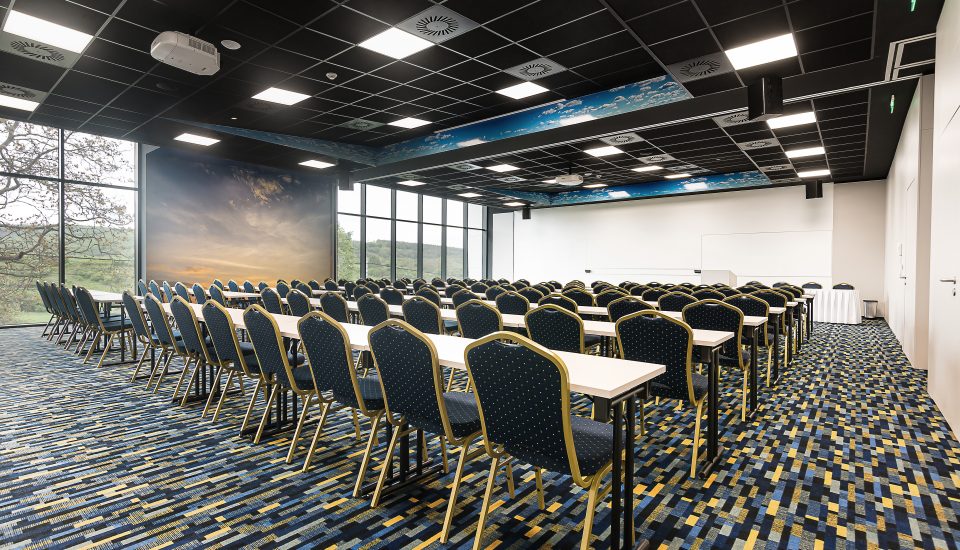
Hotel Atlantis
https://www.hotel-atlantis.cz/en
Venue
Hotel Atlantis, Brána 177 664 34 Rozdrojovice, Czech Republic.

Parking
Free parking is available for accommodated and participants of the conference.
Internet access
WiFi internet access is available at the conference venue for free.
TRAVEL INFORMATION
From Václav Havel Airport in Prague or Vienna International Airport (Schwechat), Brno can be reached by bus or train. One of the most commonly used long-distance operators is RegioJet, recognizable by its yellow buses and trains.
We strongly recommend purchasing bus or train tickets in advance:
https://www.regiojet.com/
Travel from Václav Havel Airport Prague to Brno:
By bus (direct – recommended):
RegioJet operates direct buses from Prague Airport to Brno. Bus stops are located at Terminal 1 (Terminal 2 is accessible by a short walk). Tickets should be purchased online in advance. Buses run several times per day. Approximate one-way ticket price is 15–20 EUR.
Arrival stop in Brno: “Brno, bus station Grand“
By train:
Take the Airport Express (AE) bus from Prague Airport (Terminal 1 or 2) to Praha hlavní nádraží (Prague Main Railway Station). Airport Express buses run every 30 minutes. From Prague Main Station, take a direct train to Brno.
Final destination: “Brno hlavní nádraží”
Travel from Vienna Airport (Schwechat) to Brno:
By bus:
Buses operated by RegioJet and other carriers depart directly from the bus station in front of the Arrivals Hall. Services run several times per day. Approximate one-way ticket price is 10–20 EUR. Advance booking is recommended.
Arrival stop in Brno: “Brno, bus station Grand“
By train:
Travel first from Vienna Airport to Wien Hauptbahnhof using Railjet or S-Bahn services. From Wien Hauptbahnhof, take a direct train to Brno.
Final destination: “Brno hlavní nádraží”
Tickets are available online at www.oebb.at, via the ÖBB Ticket App, or at ticket machines at the station.
From Brno to Hotel Atlantis:
Taxi:
The distance from Brno main railway station or ÚAN Zvonařka bus terminal to Hotel Atlantis is approximately 13 km. Travel time is around 20 minutes. Typical fare is 400–500 CZK (16–20 EUR).
Recommended taxi service:
CITY TAXI
Tel.: +420 542 321 321
By public transport:
From Brno hlavní nádraží, take tram No. 1 (platform No. 1, direction Bystrc, Ečerova). Get off at the Zoologická zahrada stop (approximately 23 minutes). From there, transfer to bus No. 302 (direction Jinačovice / Kuřim) and get off at the Rozdrojovice, rekreační středisko stop.
The bus stop is located directly in front of Hotel Atlantis. Use the stop button to request disembarkation.
Tickets can be purchased from vending machines at tram stops. A 60-minute ticket costs 25 CZK (approximately 1 EUR) and is valid for both tram and bus.
You can use a contactless payment card on public transport in Brno. Tap your card on the validator when boarding and tap again when leaving the vehicle. The fare is calculated automatically according to your journey.
Conference Shuttle
On Sunday, June 28th 2026, PSI will provide a minibus shuttle service from Hotel Atlantis (the final pick-up location will be specified in advance) to the PSI Research Center in Drásov and back to the hotel.